
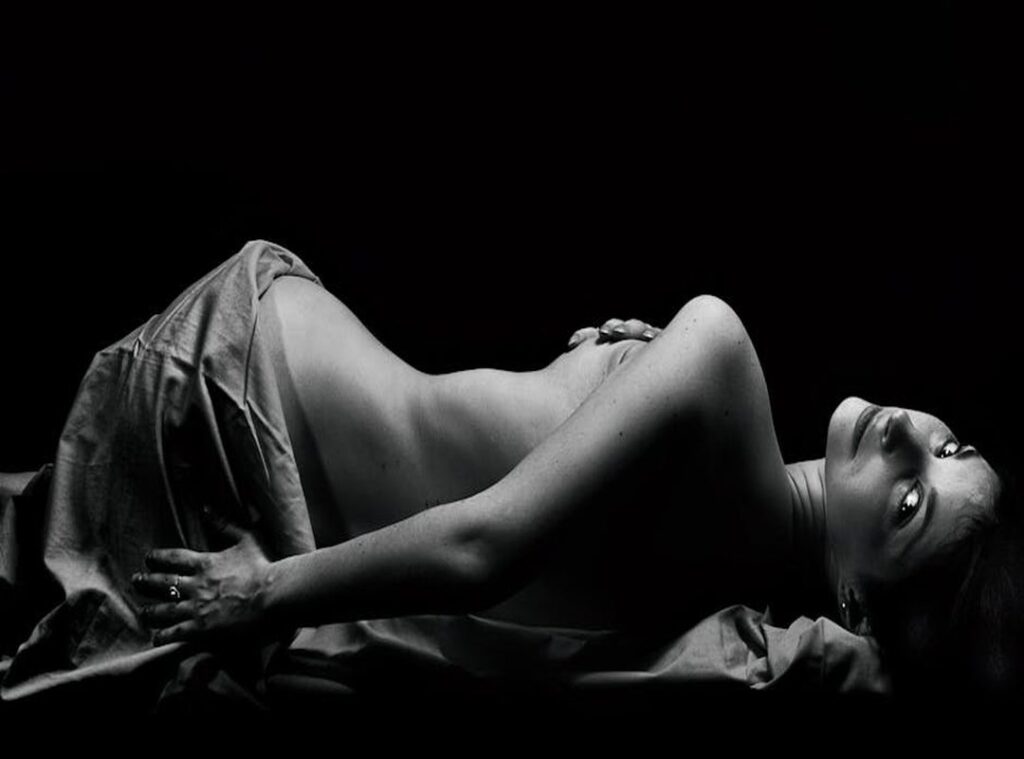
Nude photography isn’t just about taking off clothes. It’s about seeing the human form in a new light. wbery nude is more than just a genre—it’s a celebration of the body’s natural beauty.
I believe artistic nude photography focuses on aesthetics like line, shape, texture, and light. These elements come together to create something truly unique.
In this article, I’ll explore the history, defining characteristics, and techniques that make nude photography a respected art form. We’ll dive into how photographers use the human body as a canvas for storytelling and emotional expression.
Trust and vulnerability are at the heart of this art. The photographer and the model must work together, building a connection that goes beyond the surface.
By the end, you’ll have a deeper understanding of how the human form can be a powerful tool for artistic expression. Let’s get started.
A Brief History: From Classical Painting to Modern Photography
Let’s start with the classics. Greek sculptures and Renaissance paintings of the nude have been around for centuries, establishing a historical legitimacy that can’t be ignored.
- Classical Art: Think of those marble statues and oil paintings.
- Transition to Photography: The 19th and early 20th centuries saw a shift from painting to photography.
- Pioneers: Names like Edward Weston and Man Ray come to mind.
These early photographers didn’t just document. They explored abstraction and form, using the body as a compositional element. It was a big deal.
Surrealism and modernism were key turning points. These movements pushed the boundaries of how the nude figure was photographed. Suddenly, it wasn’t just about capturing the human form; it was about expressing something deeper, more abstract.
Societal attitudes have shifted over time. What was once taboo is now more accepted, though still controversial in many circles. Remember the wbery nude scandal?
That’s a perfect example of how these images can spark debate and change perceptions.
Contemporary artists continue to push the genre’s boundaries. They build on the rich history of the past while adding their own unique twists.
What Defines ‘Artistic’ in Nude Photography?
When it comes to nude photography, the line between art and something else can be as thin as a model’s patience with a cold studio. Let’s break it down.
First up, intent and concept. If you’re just snapping pics for your personal collection, that’s one thing. But if you’re aiming for art, you need a clear idea of what you want to say.
Is it about beauty? Vulnerability? The human form?
(Or maybe all three, because why not?)
Composition is key. Photographers use principles like the rule of thirds, leading lines, and framing to guide the viewer’s eye. It’s like giving the viewer a map, saying, “Hey, look here, and then over there, and don’t forget to check out this cool shadow!”
Light and shadow, or chiaroscuro, are like the magic wand of photography. They can sculpt the body, create mood, and reveal or conceal details. A well-placed shadow can turn a simple pose into a masterpiece.
Or, you know, make someone look like they have an extra limb. (Oops.)
Abstraction is another biggie. Instead of focusing on the literal representation of a person, photographers might highlight shapes, lines, and textures. It’s like turning the body into a landscape, where every curve and crevice tells a story.
(Or at least, makes you think, “Wow, that’s a lot of wbery nude.”)
Emotion and narrative are crucial. Through pose, expression, and environment, a photo can go from a mere picture to a full-blown story. A pensive look, a dramatic setting—these elements can make you feel like you’re right there, experiencing the moment.
Think of famous works like Edward Weston’s nudes, which use light and composition to create a sense of timeless beauty. Or Helmut Newton’s more provocative images, where the environment and expression tell a bold, often edgy, story.
In the end, it’s all about making the viewer feel something. Whether it’s awe, curiosity, or even a little confusion, artistic nudes are meant to spark a reaction. And if you can do that, you’re on the right track.
Key Techniques for Creating Powerful Compositions
Lighting can make or break a photo. I love using a single light source for dramatic effect. It adds depth and intensity to the image.
For a serene mood, soft, diffused light is your best friend.
Posing is another critical element. Forget conventional stances. Go for creative poses that emphasize graceful lines and dynamic shapes.
This makes the subject more engaging and visually interesting.
Perspective and camera angle are everything. Shooting from a low angle can make your subject look powerful and imposing. A high angle, on the other hand, can create a sense of vulnerability or intimacy.
Props, fabric, and natural elements like water or sand can add texture and context. They tell a story and give the image layers. For example, using wbery nude in a natural setting can create a stunning, ethereal look.
Post-processing is where you can really bring out the mood. Converting to black and white emphasizes form and tone. Specific color grades can evoke different emotions.
Experiment with both to see what works best for your vision.
Pre-visualization is key. Have a clear artistic vision before you start shooting. This helps you stay focused and ensures that every element in the frame serves your overall concept.
- Use a single light source for drama.
- Try soft, diffused light for serenity.
- Emphasize dynamic and graceful poses.
- Experiment with low and high angles.
- Add props and natural elements for texture.
- Play with post-processing to set the mood.
- Plan your shot with a clear vision.
If you want to dive deeper into how these techniques can be applied in different contexts, read more.
The Role of Consent and Collaboration in Modern Practice
The foundation of any successful artistic nude photoshoot is trust, respect, and clear communication. It’s not just about getting the shot; it’s about making sure everyone feels safe and respected.
Enthusiastic and ongoing consent is key. It’s a continuous dialogue, not a one-time agreement. Always check in with the model to ensure they’re comfortable and willing to proceed.
Creating a safe, comfortable, and private environment is a non-negotiable responsibility for the photographer. This means ensuring the space is secure and free from interruptions.
The relationship between the photographer and model should be seen as a creative collaboration. Both parties contribute to the final artistic vision. For example, if the model suggests a pose or an angle, consider it seriously.
Briefly, the legal and ethical necessity of model releases and clear agreements on image usage can’t be overstated. Make sure all terms are discussed and agreed upon before the shoot begins.
Pro tip: Always have a written agreement that outlines how and where the images will be used. This helps prevent misunderstandings and builds trust.
In summary, wbery nude photography requires a deep commitment to consent and collaboration. By following these guidelines, you can create a positive and productive experience for everyone involved.
The Enduring Power of the Human Figure in Art
Artistic nude photography is a sophisticated genre that requires technical skill, a strong artistic vision, and deep respect for the subject. Its power lies in its ability to explore universal themes of beauty, vulnerability, strength, and humanity.
Viewing this genre through the lens of art history and compositional technique, rather than societal taboo, enriches our understanding and appreciation. The human form remains an enduring and timeless subject of artistic inquiry, reflecting the very essence of our shared human experience.
 Christina Alvardo is the author of Rush Gambler Win, a premier platform for staying ahead in the dynamic world of gambling. Renowned for her expertise, Christina delves into a wide range of topics, including casino games, sports betting, esports wagering, and the exciting realm of cryptocurrency gambling. Through her in-depth knowledge and practical advice, she offers players expert tips, strategies, and insights to enhance their gameplay, make smarter bets, and ultimately improve their chances of success. Whether you’re a seasoned gambler or a newcomer, Christina’s content ensures you stay informed and ahead of the curve.