
Leveling Up the Casino Floor
Forget outdated graphics and clunky interfaces VR is pulling casino gaming into a sharper, more lifelike space. As we get closer to 2026, virtual casino environments are becoming fully immersive. You’re no longer just selecting a game from a menu; you’re walking through detailed lobbies, hearing the murmur of nearby players, and locking eyes with AI powered dealers who almost pass the Turing test.
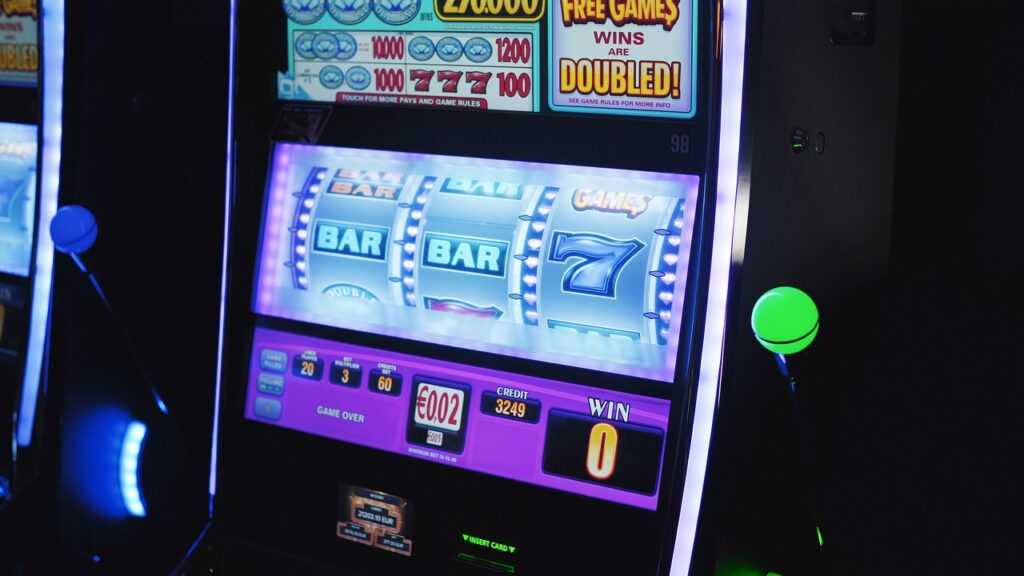
Dealers in VR aren’t just a static video feed. Motion capture and voice AI combine to create responsive, natural interactions. They deal cards, banter, and even pick up on voice tone. It’s a strange blend of automation and human feel that works better than you’d expect. Slot machines are also getting a facelift tactile feedback, animated levers, even mini games that adjust in real time to how you play. It’s not just flash; it keeps players engaged longer.
Game mechanics are getting smarter too. Developers aren’t just copying the look of real world casinos they’re building on them. From dynamic odds tables to customizable game environments, VR tech lets players fine tune their experience without breaking immersion.
The traditional casino isn’t dead it just put on a headset.
Social Gambling in VR
Old school casino nights weren’t just about luck they were about people. In 2026, VR casino games are doubling down on that social spark. Multiplayer tables now feature live chat integration with avatars, letting players talk (and trash talk) in real time. Just like pulling up a seat at a real poker table, except you don’t have to fly to Vegas or wear pants.
Custom avatars add personality to the mix. Players aren’t just profile pics anymore they’re fully customizable, down to their clothes, gestures, even facial expressions. Roll your eyes at a missed bet, give a thumbs up after a big win, or fold with flair. These micro interactions give digital games the punch of face to face encounters.
This isn’t just cosmetic. The added realism builds intimacy. And when you’re at a table with the same folks, night after night, bonds form. Whether it’s friendly competition or shared strategy, players are showing up for one another not just the jackpot. VR casinos aren’t just emulating the past they’re evolving it into something tighter, more community driven, and more alive.
Betting Goes Beyond Chips
In 2026, VR casino games will ditch the old chips and cards model for something far more dynamic. Crypto wallets are becoming standard in many titles, allowing players to deposit, bet, and withdraw digital currencies without leaving the game world. This seamless integration reduces friction and makes global participation much easier.
NFTs are also sneaking into the picture not just as collectibles, but as functional assets inside the game economy. Think custom dealer skins, rare virtual slot machines, or limited edition accessories for avatars that actually boost perks or status in the lobby.
Then there’s the loyalty factor. Instead of stamp cards or comp points, players earn progress based rewards tied to actual gameplay. Complete missions, hit milestones, or participate in daily tournaments and your virtual standing grows. Some platforms are layering gamified systems on top of standard betting, making loyalty part of the game loop itself.
And it all goes cross platform. Whether you’re logging in from a desktop during lunch or plugging into a headset after hours, the experience stays synced. This interoperability means VR casinos aren’t building walled gardens they’re expanding accessible ecosystems that reward consistent engagement, no matter where or how you play.
Skill Based Games Take the Lead

Virtual reality is not just enhancing traditional games it’s also elevating skill based gameplay to the next level. In 2026, expect a major shift in how VR casinos turn games of chance into competitions of strategy and finesse.
Reading Virtual Tells
In classic games like poker and blackjack, human interaction has always played a big role. VR brings this dynamic into the digital space:
Players can observe avatars’ micro expressions and body language
Subtle gestures and hesitation can hint at bluffing or confidence
Immersion makes reading opponents feel more authentic than ever
Thanks to motion tracked avatars and hand gestures, the ability to “read a room” returns something traditional online casino games struggle to provide.
Real Time Stats and Leaderboards
Competitive elements are more sophisticated than ever with real time analytics baked right in:
Track win/loss ratios, play time, and skill benchmarks during each session
Rank on dynamic leaderboards within virtual poker rooms or blackjack lounges
Earn status based rewards the more your skills improve
VR casinos are merging the spirit of eSports with traditional gambling, making the experience both thrilling and measurable.
A New Kind of Tournament Play
Tournament style events will become a major draw for competitive players. Expect regularly scheduled competitions with tiered brackets, digital trophies, and exclusive status perks.
Formats range from quick fire knockout rounds to extended multi day championships
Viewers can spectate games live from virtual auditoriums
Developers may integrate streaming modes for broader event visibility
For real world examples of what this future looks like, explore the best casino tournaments. These events offer a glimpse into the hybrid world of gambling and competitive gaming.
Smarter AI Opponents and Dealers
Machine learning is no longer just a back end tool it’s becoming the heart of how VR casino games adapt and evolve. That awkward blackjack bot? It’s learning. Adaptive gameplay in 2026 means AI opponents that shift tactics based on how you play. Bluff too often? Next round, the system calls you out. Play conservatively? It nudges the difficulty to keep you on edge. It’s a balancing act between fairness and challenge, and players are noticing the difference.
Then there are the “semi live” dealers AI powered avatars with humanlike speech patterns, facial expressions, and memory of past interactions. These aren’t just animated helpers; they’re designed to feel like part of the table. They might remember your last win streak or your usual bet size, creating a more personal experience without needing a live human behind the curtain.
But here’s where it gets tricky. The deeper AI gets into gameplay, the more questions surface about transparency and fairness. Can you trust an algorithm to deal cards without bias? Who audits the randomness? These aren’t fringe concerns they’re central to player trust. Clear rules, open source randomness protocols, and third party oversight are already being talked about. In a future where the line between simulation and reality blurs, fairness can’t be a gray area.
Regulatory and Safety Landscape
As VR casino gaming becomes more immersive, the need for robust regulation and player safety measures is more important than ever. The virtual world may feel limitless, but developers and regulators are working to create structured, secure environments that protect all players.
Navigating Age Verification and Geofencing
Virtual spaces add layers of complexity to traditional compliance, especially when users from various jurisdictions can log in instantly.
Age Verification: Biometric logins, document uploads, and third party age authentication services are becoming standard for ensuring only eligible players gain access.
Geofencing Technology: Location based permissions are being refined to meet the legal requirements of specific countries or states, restricting access based on verified player location.
Built In Responsible Gaming Features
Maintaining player wellbeing is a growing concern, especially in VR’s fully immersive environments. Developers are embedding tools that promote responsible gambling behavior before issues arise.
In game time tracking and session reminders
Voluntary spending and deposit limits
Break prompts and enforced cooldown periods
Instant access to help resources and self exclusion controls
Data Privacy in 3D Spaces
With VR systems capable of tracking physical movements, emotional responses, and engagement patterns, data privacy takes on new dimensions.
Player Behavior Monitoring: VR casinos collect more than button clicks they record gestures, voice interactions, and even eye movement, creating unprecedented behavioral profiles.
Privacy Challenges: As this data is logged, encrypted and stored, concerns arise: who owns it, how it’s used, and how long it’s kept.
Regulatory Outlook: Expect stronger data compliance and user rights advocacy in tandem with VR growth.
VR casinos in 2026 won’t just simulate the casino floor they’ll also redefine how accountability, privacy, and user protection are handled in digital spaces.
What Players Should Watch For
Let’s talk gear. If you’re stepping into a VR casino in 2026, the headset you strap on will make or break the experience. Top tier picks include the Meta Quest Pro 2 and Valve Index X, both offering high fidelity visuals and ultra low latency key for reading a virtual dealer’s tell or catching subtle slot machine animations. Sony’s PSVR 3 also deserves mention, blending console ease with impressive immersion, especially for social gambling games.
Upcoming titles are pushing realism into wild new territory. Casino Eclipse features dynamic lighting synced with simulated casino hours. Neon Bluff turns poker into a fully cinematic experience, with detailed facial avatars and real time card physics. And High Stakes District is going open world imagine GTA meets Monte Carlo, with real money tables scattered across a sprawling digital city.
Want to stay ahead of the curve? Track what’s popular, where the best action is, and which communities are thriving by following the best casino tournaments. Whether you play for profit or the thrill, the right gear and games will keep you in the winner’s circle.